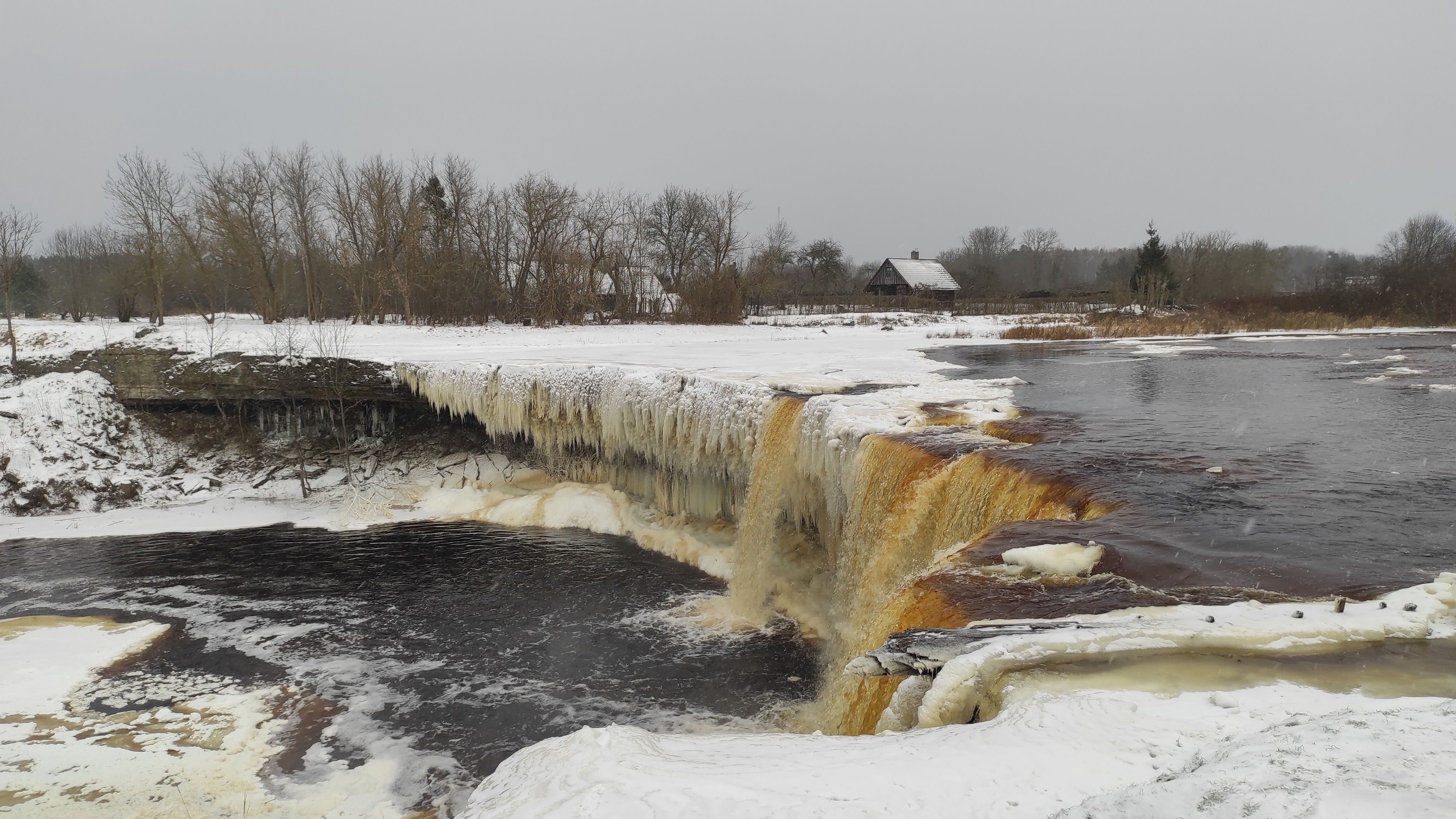
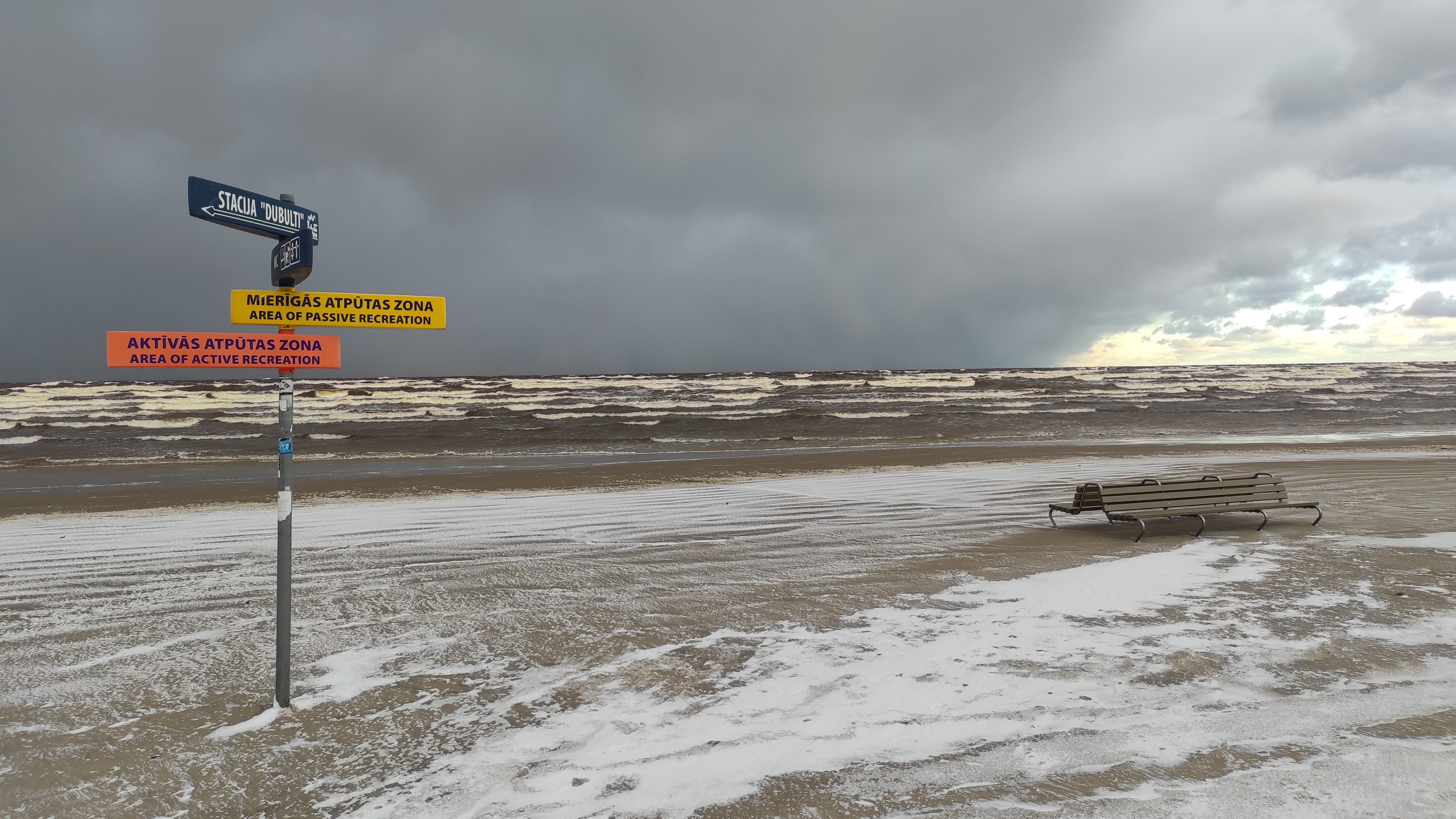
It was during our Christmas adventure that we first entered the Baltic region, a region that consists in the countries of Lithuania, Latvia and Estonia. During our long bus journey (I think it was about 11 hours), we entered Lithuania through the 100km long Suwalki gap which is an area that has become nowadays geopolitically very crucial since it connects the Baltic states to the rest of Europe and the russian oblast of Kaliningrad to the rest of Russia. Generally the three countries have a lot in common in terms of culture, cuisine and lifestyle and the biggest difference that we experienced was probably the cost of living, with Estonia being significantly more expensive than the other two. On my side I felt that generally Lithuania and Latvia are more stringed to their soviet past, while Estonia has a more scandinavian flair. A special mention goes to the beautiful frozen coast of Jurmala in the Riga region, that I had the luck to visit on a snowy day trip and to the Jagala waterfall in the neighbours of Tallin, where part of one of my favourite movies was set, the post-modern masterpiece of Andrej Tarkovskij called Stalker.
The first time I heard about the Grand Duchy of Lithuania and how powerful and wide it was, it was while I was listening to the history of Ukraine on a podcast of the historian Timothy Snyder. The Grand Duchy saw its existance from the XIII century until 1795 when it was dissolved. The state was for a while the biggest state in Europe and included the modern state of Lithuania, Bielarus, part of Ukraine, Poland, Latvia, Moldovia and part of Russia. The state was of course multi-ethnic due to its size, polytheistic and culturally very diverse. In 1569 after the Union of Lublin it changed its name into Polish-Lithuanian commonwealth and became eventually even bigger. The official language of the Commonwealth at that time were Polish and Latin. After so many years the Commonwealth felt under decline and under the attacks of its neighbouring countries (III. The time when Poland disappeared from the map).
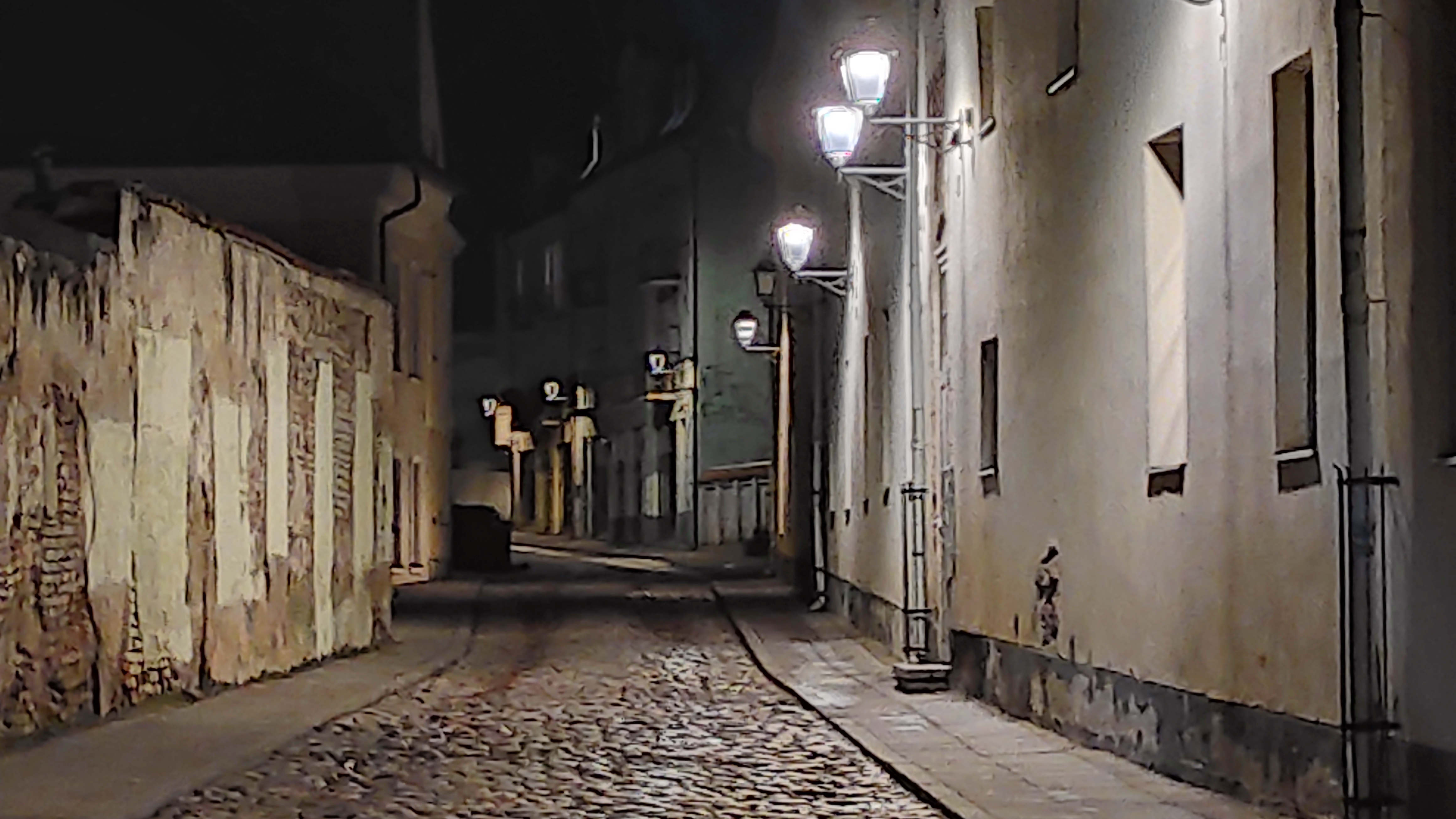
While walking around Riga and mostly during the day I spent in Jūrmala, I particularly noticed the big amount of art-nouveau buildings, most of them probably dismissed, that were standing under the snow storm that was happening that day. In my mind I pictured the Baltic coast of those former soviet countries as a place that had its glorious past, where aristocrats and important people of the empire used to go on holiday to enjoy some sun and sea breeze. Once I was back from the trip, I did my search and learnt that most of those buildings were built by one of the most important architect of that time, which name was Michail Osipovič Ėjzenštejn, that was also the father of Sergej, a Russian filmmaker between my favourites. As I assumed, Ėjzenštejn designed most of his buildings at the beginning of the XX century, during a time of economic growth, leaving the city with the highest number of art-nouveau buildings in the world and some of those can be seen around Alberta iela (Albert street). Ėjzenštejn influences came partly from the time where he lived in Paris and partly from the city of Saint Petersburg that reflected some of the same style.
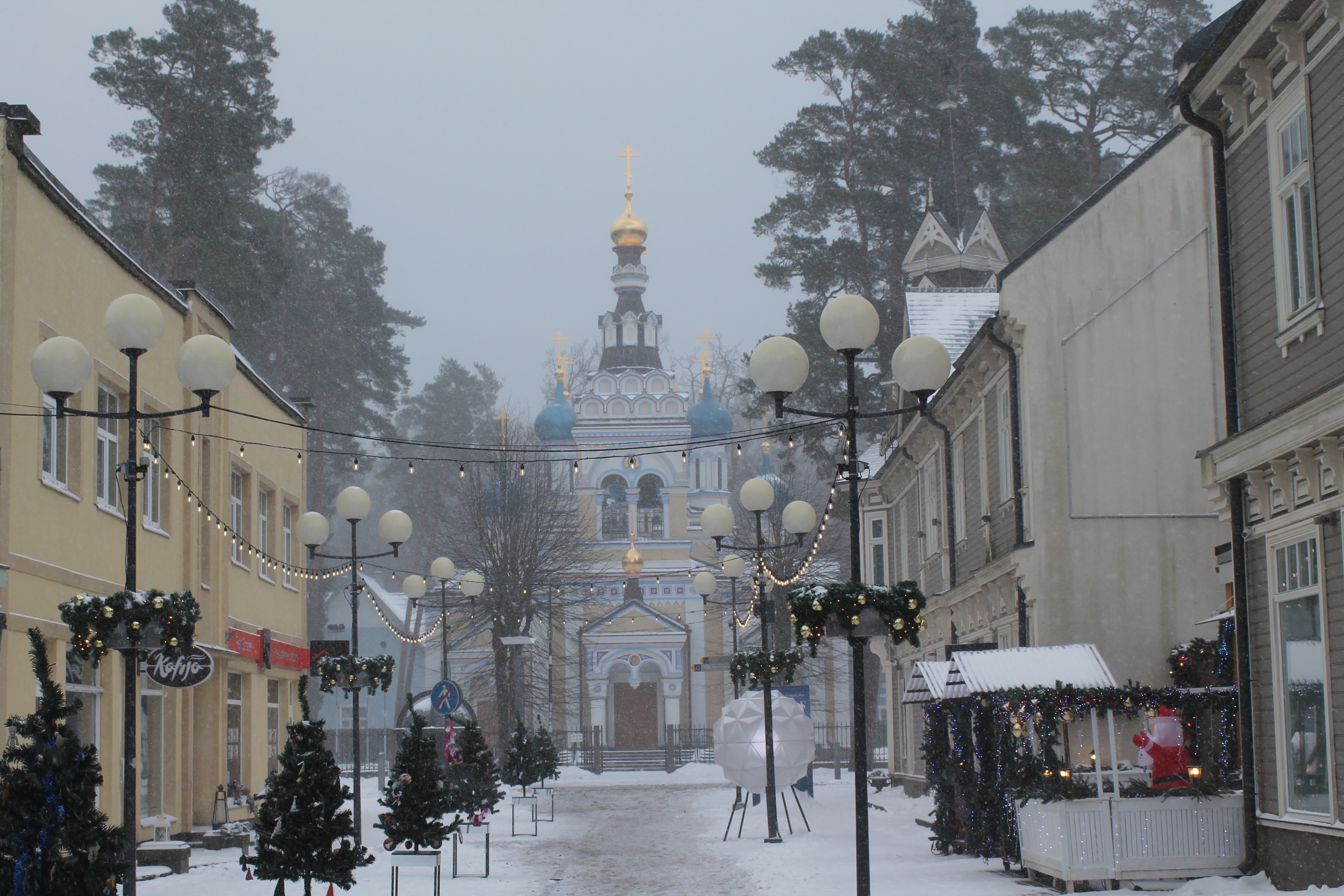
It was during the day of our visit to the wonderful National Gallery of Art of Vilnius, a gallery that is located into a beautiful modernist building designed in the late 60's with a strong Bauhaus appearance (at least in my very modest opinion but I learnt that Bauhaus was inspired by Russian constructivism so who knows, maybe I might be right on this one) that despite of having learned the news of the passing of the eternal Brigitte Bardot under another gentle winter storm, I also learned about Polar Romanticism. The movement started in the first half of the XX century as another form of escapism, different from the exotic paradises of Paul Gauguin and in this case more related to frozen desolated but spiritual lands, where artists were roamers and spiritual seekers at the same time and where the arctic was seen as a sort of sublime. As in other examples of Romanticism, the main object represented is mother nature, a representation that becomes also an admission of a certain form of connection/identity with the surrounding land.
The composer that could better resume the sound of his home country Estonia and of all those silent, still and wild Baltic lands in my opinion is definitely Arvo Pärt. Pärt's music was mostly inspired by Gregorian chants and I would say religious music in general and the spiritual component in most of his production is pretty clear which also cost him censorship during the Soviet time. Other recurring elements in his works are serialism (basically the repetition of the same music element in a composition), twelve-tone technique (a method that ensures that all twelve notes sounds equally in a piece of music) and something called Tintinnabuli, basically a style that he himself invented which requires two distinct voices, one that follows the tonic triad and the other that goes along all the diatonic scale, ping-ponging each other. Pärt's music is worldwide famous, making him the most performed living composer in the world and it sounds definitely gives a resonant international echo to the country of Estonia.